
vision

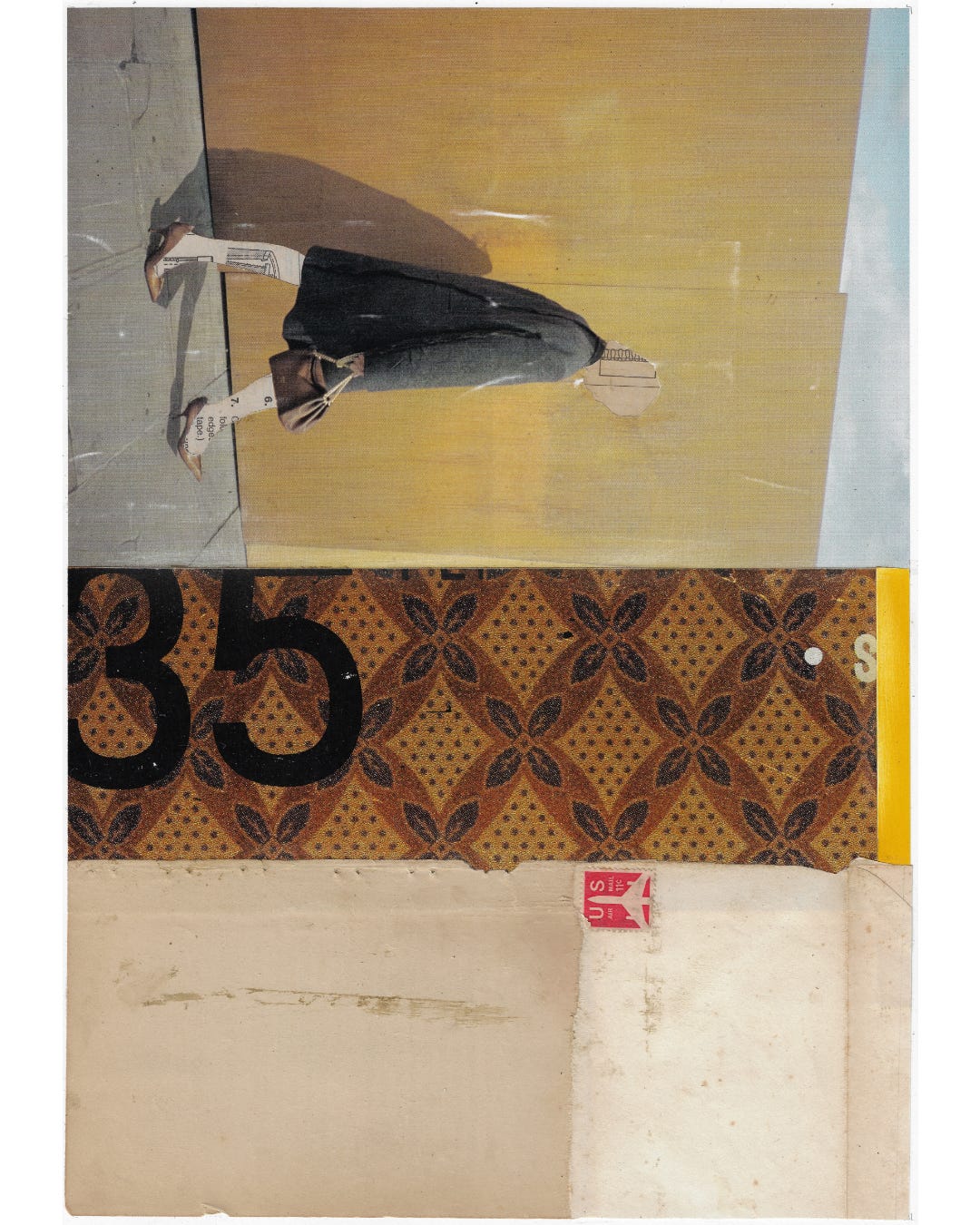
A few days ago I had the pleasure of having a conversation with J. Alan Constant and Paul Jonathan Rowland for their show Conversations About Art.
One of the things we talked about was the fractured nature of the human experience. We are each an amalgam of seemingly disparate and antithetical things. An ever-evolving conglomerate of time, place, history, context, story, and experience . And yet the magical truth within the fragments is that somehow it all fits. Not into a tidy holism, but into a messy, beautiful, totality.
During the conversation Paul recommended The Master and His Emissary by Iain McGilchrist. The book was first recommended to me by the poet John Brehm, when I had the honor of co-hosting an interview with him for the Tattooed Buddha Podcast. It’s been on my list ever since. Paul’s praise finally gave it the nudge it needed to move up on my reading list. I bought a copy the next day and started reading. I’m already in love with it and I haven’t even finished the introduction.
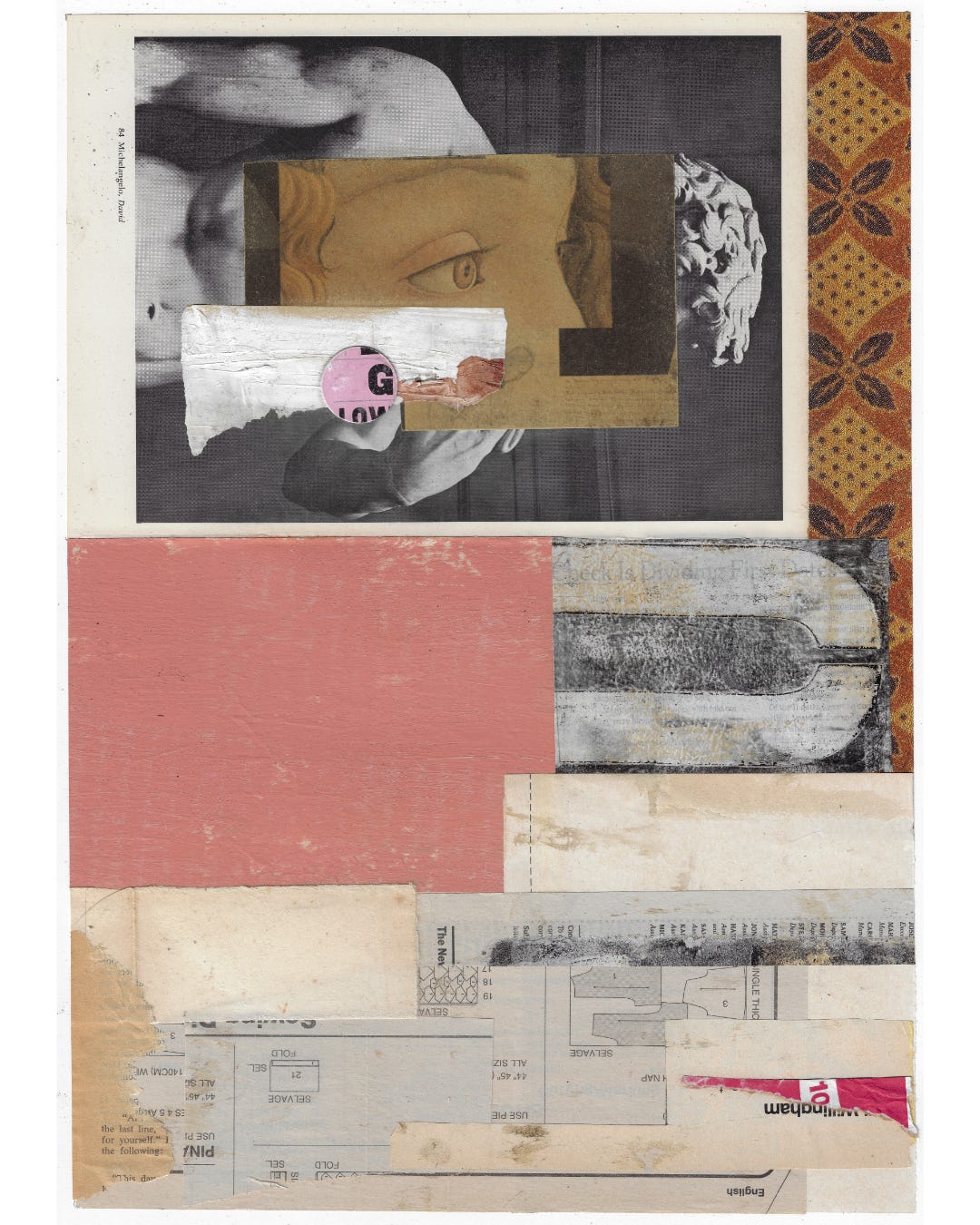
McGilchrist says that there are “four main pathways to the truth: science, reason, intuition and imagination.” It’s easy to see these four domain as lacking compatibility. It’s easy to believe that the solidity of science and reason leave no room for the fluxing fluidness of intuitive imaginings. But, he says that “any world view that tries to get by without paying due respect to all four of these is bound to fail.” In fact, it is “only by respecting each and all together can we learn to act wisely.”
It isn’t hard to notice how the reasoning of science contribute directly to the good of society. We encounter it daily. In the technologies we use. The access to information. The ability to communicate together around the world seamlessly. Medicines and treatments. What’s sometimes harder to see is just how much making art and creativity matters to the flourishing of species and our world.
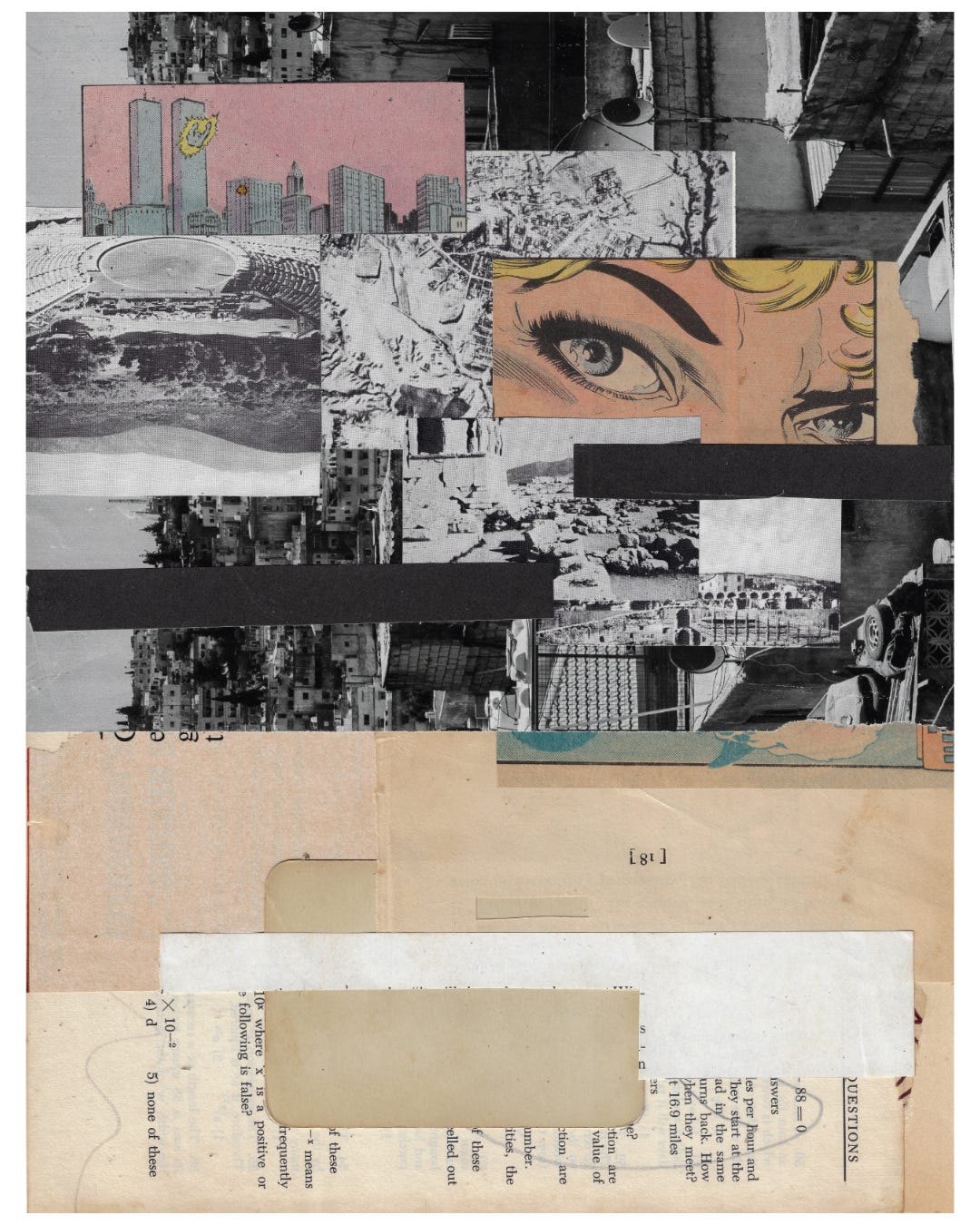
It’s easy to believe that the pigment you spread across a canvas is a quaint hobby. That the words and phrases you form into poems and stories are self-indulgent. That the pictures you take, and make, and tape, and glue are arbitrary and inconsequential.
But they are all indispensable.
“Artists”, John O’Donohue says, “are the priestesses and priests of culture.” A culture gives raise to an artist. It feeds them and nourishes them with the specificities of their context. This will become the tools of their making. The raw materials of their creative process. But when the maker does their job right, what they create will become a catalyst to push culture in new directions. “They coax the invisible towards a form” where it can become perceptible, O’Donohue says. They shepherd the “silence towards voice, and the unknown towards intimacy.”
Reason and science provide a sure structure to our present. They ground us with knowledge and understanding. But it is the intuition and artistry of the makers that give us a whole new kind of vision. They teach us to see again, but differently. They give us the courage to dream new dreams of possibility. They teach us to trace the shape of realities waiting to become existent.
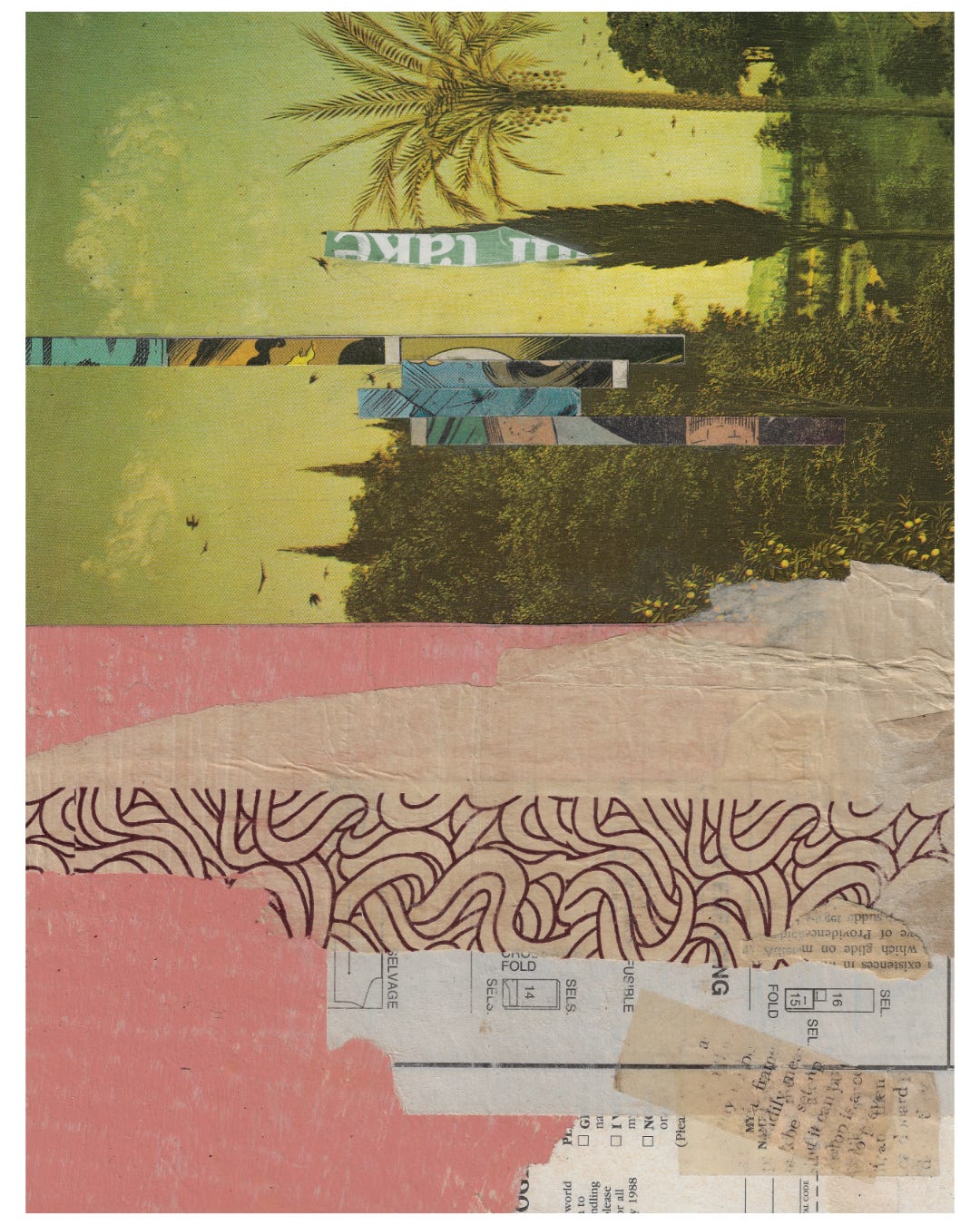
May you trust the fragments.
May you always honor reason and wonder equally.
May everything you make pull the unseen into new forms of palpability.
In case no one’s told you today, I love you with all my everything.
I enjoyed listening to the interview, Duane. Especially the discussion around breaking through old patterns and ways of thinking. This felt like an extension of the gathering on Sunday, which was so wholehearted, supportive and energizing.
Clearly you trust the fragments, they are always wildly harmonious in your collages. What a perfect art form to illustrate the resonance in dissonance.